
Guide To WhatsApp Marketing

WhatsApp is a mobile app, owned by Facebook, which allows its users to chat, share files and images, and make video and voice calls, all for free. In regions having high SMS charges such as Mexico, India, Malaysia, South Africa, etc., this app is popular. India alone has close to 390 million people using WhatsApp and combined with Brazil and the USA, the total number of users exceeds half a billion. WhatsApp provides an ideal channel that allows two-way online communication. Because of this feature, a marketer can directly engage with customers at the other end and this allows for brand promotion as well as direct communication with the potential users of the brand. What are Click-to-WhatsApp Ads? Running Click-to-WhatsApp ads is one of how you can connect with people. Starting conversations on WhatsApp to connect with a targeted audience and turning them into customers is what WhatsApp marketing is all about. Here, WhatsApp becomes your marketing channel. Click-to-WhatsApp ads allow one to use Facebook’s ad platform and get the audience to contact you via WhatsApp. Though it has limited features, it is easy to set up. Some features of Click-to-WhatsApp ads are as follows: It is an ad type that has a Click to WhatsApp CTA. This starts a WhatsApp conversation. However, for this, you have to connect your phone number to your FB page. The ‘WhatsApp for Business’ app is used for the setup. Ads are placed in the FB News Feed and Marketplace, Instagram Feed and Explore, and FB and Insta stories. It is not possible to automate this action as of now. Requirements for setting up WhatsApp ads If you are planning to run Click-to-WhatsApp ads, you have to ensure the following two things: The WhatsApp Business app has to be downloaded first. Alternately, you can integrate with the Whatsapp Business API. You have to next connect your WhatsApp account to your Facebook Page. You also have to make yourself the admin of your FB page. However, it is important to be aware of the fact that WhatsApp API has restricted access and therefore, it may be a good idea to download the WhatsApp Business app. The next thing you have to do is connect your phone number and link it to your FB page. To get started you need to: First download, and then launch the WhatsApp Business app Next, you have to review and then accept the Terms of Service Register your phone number by selecting your country and proceed to verify the number Provide access to contacts and photos Add your business name, profile picture, and category to create an account Add your address, opening hours, etc., and build your business profile Start chats with your customers The next step is to connect the WhatsApp Business account with the FB business Page. For this: Open your Facebook business Page. Click on Settings. On the left-hand side column, click WhatsApp. Choose your appropriate country code. Enter your WhatsApp number and click on ‘Send code’. Input this code and click ‘Confirm’. As soon as these steps are completed, the next step is to create your Click-to-WhatsApp ad. How to create Click to WhatsApp ads? The two different methods you can use to set up Click to WhatsApp ads: You can promote/boost a post on your page Create an ad in Facebook Ads Manager Using Facebook Ads Manager Facebook Ads Manager gives the user more options when placing ads. You can create a new ad by going to the Facebook Ads manager. However, ensure that you choose your ad’s objective right at the beginning. Choose ‘Ads with the Traffic, Website Conversions or Messages objectives’ When choosing this option, you should know that the Messages objective is unavailable in India and certain EU counties. In the Message destination section, select the WhatsApp option. Choose your audience, ad placements, and schedule. Choose images, text, and headlines for your ad. Click ‘Confirm’ to publish your latest Click-to-WhatsApp ad. ‘Ads with the Reach, Brand Awareness, Engagement or Video Views objectives’ For this option choose your audience, placements, and schedule. Under ‘Links’, click ‘Add Website URL’. Add the URL of your business website. Under ‘Call to action’, select ‘Send WhatsApp Message’. Select your page with the WhatsApp number connected in the drop-down menu. Click Confirm to publish your Click-to-WhatsApp ad. Different Ways To Use Click To WhatsApp Ads? Take orders via WhatsApp Though your prospective customers spend a lot of time on Facebook/Instagram, you may want to take food orders via WhatsApp. You can run an ad through which you can offer a discount for anyone placing an order via WhatsApp. This could be for food or any other item. You can ask the customers to order from a menu card that you send or they can browse your food catalog. Alternately, you can send them your product catalog. The ad that you run would click into WhatsApp and you can have your conversations there. You can even give them genuine recommendations and turn them into loyal customers. Book Appointments via WhatsApp Whether you own a salon or you are a doctor, you may be able to widen your audience reach with a Click-to-WhatsApp ad. You can request your prospective customers to book an appointment via a WhatsApp ad. As soon as your prospects start chatting with you on WhatsApp, then it is easy to lead them on from there. You can then get them to schedule an appointment with you after sharing the necessary details with them. Generate more leads If you are a business owner, Click-to-WhatsApp ads are a great way to generate more leads which could further expand your reach. It is as simple as starting a conversation and asking them to give you their email address. However, you can make an offer for each prospect that shares their email address with you. This is a great way to generate more leads. Educational institutions can provide interesting resources so that new students can share their mail ids or real
Master Guide to Customer Lifetime Value (cLTV)
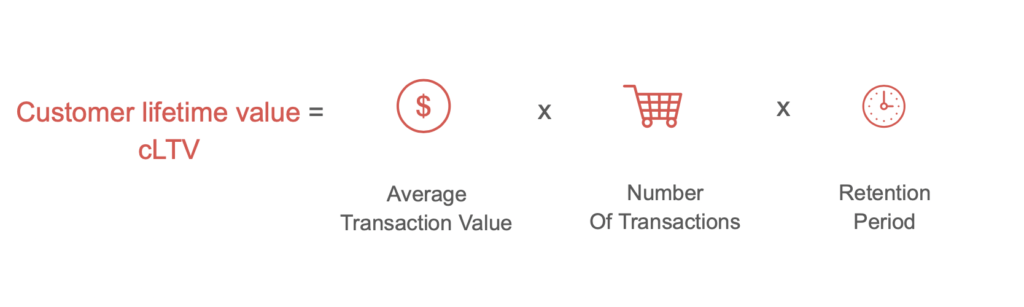
Customer lifetime value (cLTV) is a measure that indicates what a business can plan to earn from a customer over the entire course of their relationship. It is not an easy task to calculate cLTV taking into consideration the fact that there could be differences in costs, the product, purchase volumes and frequencies during this time. However, there are tools available today that can make this calculation as easy as a breeze. The metric is useful in that it allows the business to make better-informed decisions about marketing the product or the service during the course. Therefore, the business owner and the sales managers need to understand how this metric works and how it is calculated. How to calculate cLTV? There are 4 steps involved in measuring the cLTV. They are: Step 1: Determining the Average Order Value You can start by determining the value of the average sale. The best way to calculate this is to look at a representative 1-month or 3-month purchase period of the customer as representative for a complete one year. Step 2: Calculate the average number of transactions/period This is a number indicative of the number of times a customer transacts with the business over a specific period. This could be different for different businesses. As an example, while it may be a high number for a coffee shop, this number is a small one for a car dealership. The frequency of visits is a major driver to calculate cLTV. Step 3: Measure customer retention You will now determine for how long the specific customer sticks with your brand. Whereas some brands inspire customers to hang on with them for an entire lifetime (car dealerships), others have customers with very little loyalty (retail chains). Step 4: Calculate cLTV The cLTV is a product of the three values obtained. That is: Each of the factors can now be improved to grow your cLTV. Why cLTV is important? If you own a business, there are a few vital reasons why you could track and measure cLTV. While you can improve only what you measure, calculation of cLTV can help you forecast your business better and also allow you to make better decisions as far as your customer acquisition costs are concerned. Other marked advantages are: 1. It can help to retain more customers This is one of the best ways by which you can cut down customer attrition. Tracking these metrics helps you identify your best customers and keep them there by finding out what works well. 2. It can improve customer loyalty Tracking cLTV over a year or customer lifetimes can help you to work on methods/strategies that will urge the customer to repeatedly purchase from you. 3. It can help to improve sales Improving cLTV by increasing the prices is a take that has to be executed carefully. Increasing the costs too quickly may not bring in the desired results. You should do this in a balanced fashion. 4. It can lead to higher ROI Retaining customers for a longer period by using mindful strategies to build a business that encourages your customers to shop more with you should bring you a better ROI in less time. Different Strategies to Increase cLTV There are different methods you can adopt to improve cLTV. For quick reference, a few of them are given below. 1. Make personalized offers to segmented customers It is vital to segment your customers to find out who the most valuable ones are. You can segment your customers based on engagement levels, sign-up source, demographics (age, gender, and location), product interest (category) and purchase history (loyalty). Once you have segmented your customers, it pays to personalize emails and any information that you share with your customer. Statistics reveal that personalization can increase customer satisfaction by up to 20% and sales conversion by up to 15%. In the longer term, a reduction in marketing costs is also observed. 2. Offer better customer service for better cLTV Better customer service means a better customer experience. For this, it is important to be active on multiple social media, so that the customers find it easy to contact customer care or support via these channels. After taking a look at how your customers are using your social media handles and how much active they are on specific social media, you can accordingly allocate resources to serve your customers. As the customers of today demand faster responses for their queries, it is a good idea to go for 24/7 support from your side. 3. Create a loyalty program It is important to reward your most loyal customers. Business performance only tells you whether your customers are happy or not. However, to measure their satisfaction, it is vital to collect their feedback regularly using surveys. This would surely make them an important part of your business growth. They will appreciate your effort and try to stay loyal to your brand. Running loyalty programs in the form of discounts and rewards (loyalty points, loyalty cards, apps, refer a friend, etc.) for regular buyers usually works. 4. Start a subscription pricing model It is a good idea to lock in people for loner terms so that they end up buying from you. This is a guarantee that revenue will flow in while simultaneously making sure that your product becomes a staple-use item. This helps to increase brand loyalty. You can offer a range of benefits for people who sign up for longer subscriptions to your product/service. This is a wonderful way of increasing cLTV. 5. Push higher order value products Cross-selling and upselling are two attractive propositions that you can use to increase cLTV. Offering better solutions to your customers can help to increase the average order value and thus the cLTV over a period. Either showing your customer a complementary product/service or presenting them an option that is priced higher and having more benefits is a great way to increase cLTV. Using contextual ads for your customers
YouTube Audio ads to Drive Reach & Awareness
Addictive. That’s the word to define YouTube. Have you counted the times you’re paying attention to a music video at work and ending up seconds after watching one more video on the best way to make margaritas? 90% of viewers find new brands on YouTube consistently. Suppose you change your perspective from a consumer to an entrepreneur. In that case, you can perceive how YouTube audio advertisements are the rising star in promotions media. If you’re knee-deep in radio advertisements, maybe now is the right time to broaden those marketing assets towards a clear new direction to arrive at new business sectors. YouTube audio ads are essentially advertisements on the digital stage that incorporates audio dialogue. Audio-visual advertising has been demonstrated viable for brand review in the marketing business for quite some time. With 1.9 billion clients overall and 62% of organizations advertising through it, YouTube is the prevailing ruler over all Digital media platforms. It’s the ruler of all websites aside from Google, which, it just so happens, has additionally purchased YouTube. As the world advances into a digital period, so should customary marketing strategies. To get discovered on YouTube is to turn into a unique worldwide brand like this. Produce, advertise, amplify, and repeat! That’s the secret. It’s not all that daunting. This article reveals more about YouTube audio ads. We’ll discuss how you can harness its campaigning ability to take your company forward. What Are Youtube Audio Ads? YouTube is most famous as a video-sharing platform. However, many individuals use YouTube to access podcasts, music, news, and other audio content. Have you witnessed a new kind of advertisement on your favored YouTube channels? They’re audio ads, evolving more prominent as advertisers push forth with unique marketing techniques. While they might seem to be basic audio clips from an item, these advertisements contain interesting interactive components that make them more convincing for audience members and viewers. We should learn more about how they operate and how you can utilize them for your advertising and marketing accomplishments. Let’s dive in! Why Should You Leverage YouTube Audio Ads? YouTube audio ads are comparative in design to the platform’s video advertisements. Campaigns can be set up and overseen from your Google ads account, allowing you to lay out brand awareness and reach your objectives. You can employ audience targeting, comprehensive metrics, and campaign monitoring to ensure you attain favorable audiences. Benefits of YouTube Audio Ads 1. Improved Reach YouTube audio ads allow you to contact new audiences to advance your business and attract new clients. This extended reach potential is a huge draw for some brands. 2. Streamlined Campaign Setup and Ad Buying Many marketing managers are knowledgeable about Google ads, and YouTube video ads, which implies developing audio ad campaigns on a similar platform will be pretty simple to understand. 3. Comprehensive Targeting Strategic advertising requires deliberate targeting, given the ideal clients you need to reach and your mission objectives. While YouTube’s tremendous reach, the platform permits you to target significant crowds with your audio advertisements. 4. Cost Effective YouTube audio ad campaigns generate the most brand funds, with reasonable visual elements concluding in reduced production costs. How Do YouTube Audio Ads Work? YouTube Audio ads play while viewers appreciate audio content on the platform. Be that as it may, there is as yet a visual component to these missions. Typically, an audience will hear the audio version advertisement while seeing a static picture or basic animation on their screen. They’re not quite the same as the video advertisements currently accessible on YouTube. The new audio ads spin altogether around the audio perspective. This implies using particular and simple visual creatives. In Google’s announcement, the organization depicted these creatives as ‘a still picture or simple animation’. These Youtube audio ads broaden the scope of video campaigns into unique inventory at a low expense. Simplified Buying – Buying and campaign setup are identical to other YouTube ad formats. Simplified targeting and measurement characteristics: Use advanced audiences. Access the latest interpretation of Brand Lift measurement. Observe your reports in Google Ads. Lower Production Costs – Audio ads are often more economical to develop than video ads, as the approved visual element is a static image or a simple animation. Apart from this, Google is also initiating vibrant music lineups, celebrated groups of music-focused channels across famous genres, comprising Latin music, K-Pop, Hip-Hop, or Top 100, and moods or interests such as fitness. This will permit your image to handily arrive at music fans worldwide and drive results for your business. Music arrangements and audio advertisements make it conceivable to be there whether YouTube is being watched or in the background. How To Create YouTube Audio Ads Campaign? Regardless of whether you haven’t run video advertisements, you most likely have a Google ads account, which is where YouTube audio ads campaigns are made. Are you curious about step-by-step instructions to make your most memorable YouTube Audio advertisement campaign? Because we have got all the steps rolled for you, which will help you create your first YouTube Audio Ad – Open your Google Ads account Choose the video campaign and click on the + button Open new campaign Establish reach and brand awareness as objectives Assign campaign type as Video Ad campaign Select the sub-campaign category as Audio Tap on continue Enter the bid amount and appoint your budget Voila! And that is how you can produce a YouTube Audio Ad. YouTube Audio Ads Best Practices Now that we’ve covered the who, what, and where of YouTube Audio promotions, now is the ideal time to cover the “how.” Follow these best practices for a more smoothed-out configuration. 1. Be Interesting Since audio ads run exclusively on music or podcast long listening sessions, it’s essential to catch a client’s attention in the 15 seconds your advertisement can play. 2. Focus On The Sound Component While the advertisement has a picture or video, the primary center should be audio. You wouldn’t believe how tough it
Different Cognitive Biases Every Digital Marketer Should Leverage
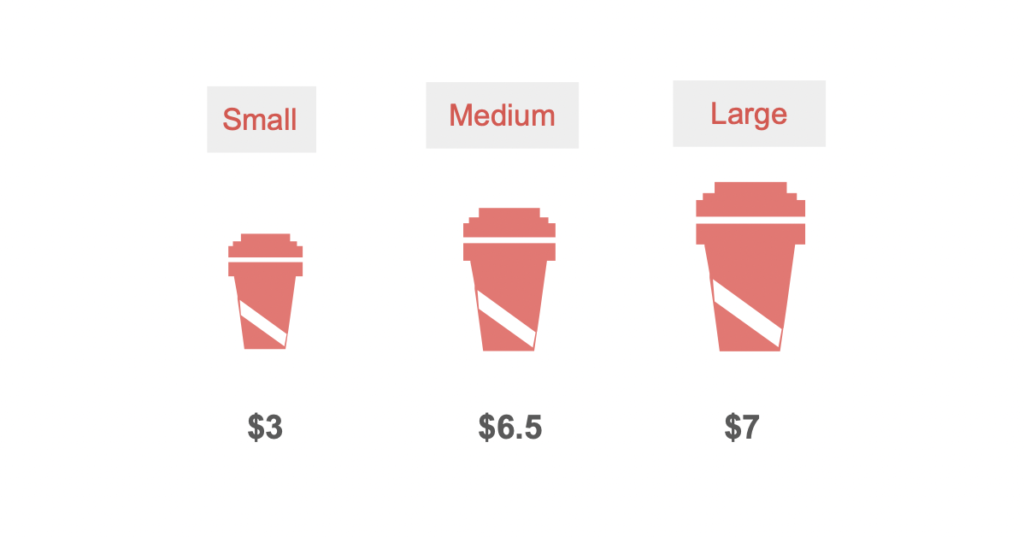
We, humans, fancy ourselves to be the most rational beings. We are not as rational as we think we are. Our brain, though more capable than the smartest computer on earth, has several barriers that stop us from thinking logically. Many biases due to past experiences, feelings and emotions direct our decisions which may not be perfect. Cognitive biases happen because of six reasons: Memory: when we misremember events Social: going with group thinking Learning: relying on early learning Belief: holding on to what you think is true Money: your outlook on money Politics: using political affiliations to make decisions These erroneous judgments are called cognitive biases, that is, the error that we make when we are processing information and making a decision is called a cognitive bias. Typically, more than one of the above factors affects every cognitive bias that we form. Cognitive Biases and Marketing How do cognitive biases affect marketing? Marketers make hundreds of decisions per day and it is, therefore, vital that they understand the different cognitive biases well. This will help them as they meet hundreds of potential customers on a single day and are trying to get as many conversions as possible. Different Cognitive Biases a Digital Marketer Should Know 1. Decoy Effect Also called the asymmetric dominance effect, this happens when we are presented with two options and we have difficulty choosing between the two, However, the addition of a third option that is less attractive (the decoy) influences our perception of the first two. Here is an example of decoy effect when you are buying a beverage. There are three options, small, medium and large. You end up buying the large one because it is a much better deal than the other two. You spend more than what you need because of the decoy effect. Here, the choice is based on what feels like the best rather than what suits us the best. Digital marketers can take advantage of the decoy effect to sell higher value products, which will eventually increase AOV and overall revenue. 2. IKEA Effect (image source: Sketchplantations) IKEA effect cognitive bias occurs when we tend to place more value on products that we create rather than the ones that come assembled. Named after the Swedish manufacturer retailer, our own efforts make us place more value (overvalue) on the fruits of the job done when we complete the task. Digital marketers can include DIY elements in their products. Providing customization options is the way out for digital marketers. 3. Authority Bias We sometimes are ready to implement whatever an authority figure says. This is because of authority bias which creates a tendency in us to be mindlessly influenced by an authorized person’s opinion because we think they have more knowledge and skills than we actually do. Industry leaders’ endorsements can be used strategically by digital marketers for products/services. 4. Zero Risk Bias We are wired to love certainty, even when it is most counterproductive. Think of a situation when you are provided with two alternatives: you can take a risky route to win a jackpot, or you can take a longer but safer route to earn a decent sum of money. You will eliminate the risk by choosing the longer route. Above is an example from Zoho Social (social media management tool), which highlights no credit card required and the users can switch plans anytime, plus it gives access to all features so that customers can experience and see the value of it. So when you eliminate the risk totally, there is simply no barrier to try the product. In digital marketing, presenting a product or a service as risk-free can enhance its effectiveness. A consumer is more likely to buy a low-risk product/service. It could be as simple as convincing your customer to try the product at zero risk. 5. Scarcity Effect This is a technique that marketers use frequently to make customers make their purchases that are low on supply and high on demand. If you are a marketer, you can shorten the time frame and ask the customers to make a promotional purchase before the end date. After all, everyone loves to possess something that others do not have. You will observe these on most of the e-commerce platforms, it’s a good practice to increase conversion rates 6. Reciprocity Effect The principle of reciprocity describes our feeling of wanting to give something in return for something that we receive. Digital marketers can take advantage of the reciprocity effect by offering a free but valuable resource in lieu of a potential customer’s email id. The potential customer is most likely ready to part with their email-id when such an offer is made. Here is an example of Made In Earth, where in the customers get 10% discount and also notified first on new collections if they share their email address 7. Foot-in-the-door Technique Often used in marketing and sales, this technique is based on compliance and consistency. If a person complies with a small request, in the beginning, there are greater chances of the person agreeing to a larger request later on. Here is an example by Monday (project management tool), where 5 users within a team can try the product for free, post that the company charges $8 per user per month, which means Monday got the users onboard free, and now they encourage to go for paid versions with more options 8. Framing Effect The framing effect is used by marketers to influence customers. Different people react to the same information if presented differently, in different ways. While a specific company may promote its product as having a 90% success rate, its competitor may come out with a counter-frame saying that the former company’s product may have a failure rate of one in ten times. It is like perceiving whether a glass is half full or the same glass is half empty. Below is an example
Complete Guide to TikTok Advertising in 2025

Research shows TikTok advertisements might reach 50.3% of grown-ups in the United States, which equals 130,962,500 individuals. Now, that’s the scope of Tiktok advertising. It all started with Musical.ly – a well-known short-form (15 seconds) video streaming and sharing application, which had more than 100 million clients up until August 2018. The application permitted clients plenty of music and dialogue choices, with which they might lip-sync and make interesting or engaging recordings. Nonetheless, in August 2018, the application was taken over by a Chinese organization ByteDance and its clients were moved to Tik Tok. The content and videos on Musical.ly were naturally moved to the new Tik Tok application. Now, let’s deep dive and understand more about Tiktok – the why’s, when’s, how’s, and many more! What is TikTok? TikTok is a short-form, video-sharing app that lets users create and communicate 15-second videos on any subject. TikTok retains a different app for the Chinese market, Duyin, with over 300 million active monthly users. The new app’s logo combines the Musical.ly and Duyin logos. Since its launch, the TikTok app’s rage has been rising tremendously. In October 2018, it was the most-downloaded application in the Apple store globally. The app reportedly accumulated over 500 million monthly engaging users, the US being the most famous country, where it has been downloaded over 80 million times. What Is TikTok Advertising? On TikTok, users upload comic and entertaining 15-60 second videos. The platform enables in-app editing and many filters, fun effects, and music overlays and integrates with other social media platforms. This platform is exclusively meant for clients to communicate their creativity to a marketing haven. A percentage of the content formats of TikTok incorporate comedy skits, tutorials, lip-synching videos, and dance videos, and that’s just the beginning. You can streamline your videos on TikTok utilizing the hashtags to make them discoverable. This application’s scope is superior to most other platforms, which builds the possibility of videos turning into a web sensation. Since TikTok’s fame is expanding daily, an ever-increasing number of brands consider this application a fundamental instrument for advertisement. Why Should You Advertise On TikTok? It’s not hidden that the organizations not on TikTok are passing up a great deal. Here are the eight main reasons why it’s an unquestionable requirement for advertisers to be on TikTok. TikTok for business makes marketing effortless A broad expanse of Ad categories Higher engagement than other platforms Reach the audience that makes a difference Your creativity gets proper recognition Translate the analytics to assess the performance of your marketing actions Get trends ahead and define them Different Types of TikTok Ads There are a few distinct sorts of TikTok Ad types that sponsors can utilize. Let’s analyze each one of them – Top View Ads This ad will appear at the top of a user’s feed. It’s the first video they see when they open the application, and it’s perfect for eye-catching brand awareness campaigns. As per TikTok, this advertising type positions first in commitment and has a 67% higher sales effectiveness than other advertisement types. In-Feed Ads These advertisements play as clients look at their ‘For You’ feeds. They’re full-screen, sound-on advertisements that mix in with local content. Your crowd is drawn towards it and watching these ads, so if you make your advertisement fun and engaging, you can stand out as effective organic content. Branded Hashtag Ads These are favorite ads planned to spur on-platform attention, giving a “TikTok challenge” centered around your branded hashtag. These ads can be great for provoking brand name mention and user-generated content on-platform. Branded Effect Ads This Ad works a little like filter ads on other platforms. Brands build a branded AR “effect” that users can connect to their videos. These ads are usually used for awareness rather than traffic or leads. Spark Ads These ads allow advertisers to influence organic content and UGC in their advertisements. They operate like boosted posts on other platforms and direct users to your account page and an off-platform landing page. How to Communicate on TikTok? While brands with an extensive spectrum of audiences may realize it is valuable to advertise on TikTok, here are a few tips that they can utilize to create a successful campaign – Mix and March Your Creative Style Rather than utilizing one sort of creativity, it’s suggested to change your style. TikTok recommends reviving your creation at regular intervals to keep away from crowd weariness. Get To The Point Video ads can be as long as 60 seconds, yet TikTok prescribed holding them to 21-34 seconds. Make the initial 3 to 10 seconds eye-catching and draw in to avoid losing viewers. The best-performing TikTok advertisements feature the vital message or product inside the initial 3 seconds. Use Sound Plus Captions 93% of top-performing TikTok recordings use sound, and 73% of TikTok clients said they would pause and check out advertisements with sound. Specifically, fast tracks over 120 beats each moment, for the most part, have the most special view-through rate. In any case, subtitles and messages are fundamental as well. Specifically, use text to feature your CTA’s. TikTok saw 40% of sale advertisements with the most elevated view-through rate incorporating text overlays. Stay Positive and Authentic TikTok suggests that recordings stay “positive, genuine and motivating.” This isn’t the platform to try out your dim and irritable content or utilize a heavy-handed sales pitch. You also don’t enjoy a video that looks too “constructed.” Try utilizing user-created content in your ads to keep them genuine. For instance, one of every three top auction videos includes someone looking directly at the camera and speaking to the audience. Royal Essence’s – an Australian brand, utilized this system to get 2.2 million impressions and 50,000 clicks. TikTok Ad Examples With the commitment and ROI from the different campaigns in different enterprises, we’ve seen probably the best brands convey their message in a manner that can inspire all of us. Let’s see three such examples – Sports Direct X
How to Improve Customer Retention by 5x

How to Improve the Customer Retention Rate The first step towards improving your customer retention rate is to have a clear understanding of what it is and then take action to reduce the churn and enhance loyalty. This is because it is far more expensive to acquire a customer than to retain an existing one. Therefore, in this post, we will discuss in detail all aspects related to customer retention. Let’s start. What Is Customer Retention Rate? Customer retention can be defined as the ability of your company to convert first-time customers and make them repeat buyers. This prevents them from moving to any of your competitors to buy the products or services that you provide. The metric customer retention rate refers to the percentage of your existing customers who continue to remain your customers after a specified period. It helps you to better understand what aspects keep your customers with your organisation and also indicates opportunities to improve your customer service. Once you get an idea as to how good or bad your organisation is at retaining customers, it becomes easier to work towards improving this metric. Advantages of Customer Retention Rate There are many advantages to improving your customer retention rate. They include both quantitative and qualitative benefits. Improving your customer retention rate contributes greatly toward enhancing the profitability of your business in the long term. Besides, it improves your brand’s image among your target audience. Having said that, some of the key benefits of improving the customer retention rate are: Customer retention is way cheaper compared to new customer acquisition Loyal customers enhance your company’s profitability Your brand will stay ahead of your competitors in your niche You will earn more referrals through word-of-mouth publicity You will receive more feedback from engaged customers, and this helps you improve products and customer service Loyal customers will explore your brand and buy a new product from time to time. Savings in ad costs as repeat customers trust your brand Improved profitability Different Ways of Improving Customer Retention Rates Customer retention efforts start whenever someone hears about your business or visits your website, not after they purchase something from you. As you focus on ensuring a great customer experience right through his/her journey, your customer retention rate will start improving. #1: Reward loyal customers You have to find ways and means to convey to your customers that you attach a lot of value to their loyalty. Furthermore, you should reward your loyal customers. You can reward your loyal customers in many different ways by: Offering discounts or freebies Providing additional services or products at a discounted price Sending invitations for events, launches, etc. Giving a new product experience ahead of launch Giving surprise gifts on special occasions Teaming up with other companies and offering discounts #2: Improve customer service Improving customer service helps you retain customers and enhance their loyalty. You have to make it clear to your customers that you have their best interest in mind so that the risk of losing them to your competitors does not arise at all. Providing assistance quickly goes a long way towards building good relationships with customers and they will continue to remain by being loyal to you. #3: Create a loyalty program Loyalty programs are helpful in eliciting loyal buying behaviour from your customers. Your loyalty program could give access to buying new products, free merchandise, or special sales coupons. Loyalty programs often encourage customers to shift from single-period to multiple-period decision-making. Well-conceived loyalty programs encourage repeated purchases. This, in turn, improves your retention rate. #4: Define a drip marketing campaign Appropriately executed drip marketing campaigns have the potential to dramatically increase returns on your ad spend, enhance client retention rates, and bring in additional revenue, which traditional methods are incapable of achieving. Drip marketing becomes very effective when you have a clear idea of your target audience and refine the segmentation of your email list. #5: Upsell and cross-sell Cross-selling and upselling have a key role to play in sales. While cross-selling encourages customers to buy complementary or additional products along with their purchase, upselling encourages customers to go for a superior version of some product they are intending to purchase. Cross-selling and upselling improve customer retention rate, enhance customer experience, and increase revenue. #6: Offer a discount for a monthly subscription If you are following a subscription model for your business, then you could offer discounts to customers who opt for monthly subscriptions. It serves not only to increase your cash flow but also to make it more predictable. In addition, it helps to increase the retention rate and average customer lifetime value. #7: Thank you notes from Founder Customer retention is by far the most important metric in order to run your business successfully. Thanking customers for buying something from you, giving valuable feedback, providing relevant suggestions, etc., often contributes to enhancing your customer retention rate. You can thank your customers in many ways. However, a thank you note from you, the founder of your business, can make a whole lot of a difference. Key Customer Retention Metrics to look at As an eCommerce business owner, the three key metrics you must take into consideration in order to understand your customer retention rates are: Repeat customer rate: It represents the percentage of your customers that have made a minimum of two purchases during a specific time period. It tells you how much value you are adding to your customers. If 20 to 30% of your customers return each month and make a purchase, your business should do well. Purchase frequency: This metric tells you the number of purchases made by your customers within a certain period of time, say a month. It helps you understand the customer retention rate, customers’ buying behaviours, and their degree of satisfaction. Average order value: This is one of the most important metrics as far as your eCommerce business is concerned. It drives key business decisions like the advertising budget, product pricing, and store layout.
Guide to A/B Testing
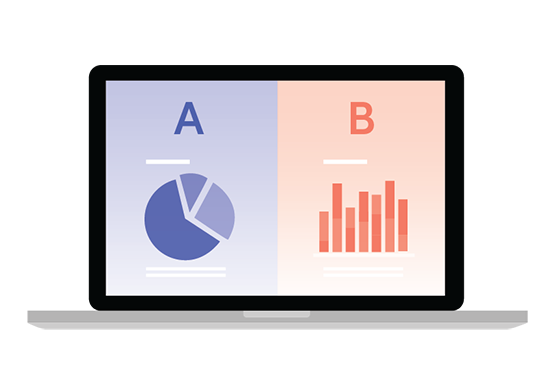
A/B testing is one of the effective way to discover new opportunities and get customers in the funnel. Today, companies like Google & Amazon conduct over 10,000 tests in a year, which makes a high impact to their business On starting a website, the owner thinks that all they have to do is organize a few pages with some information that the public may want to see. Some buttons and links are thrown in for easy navigation and to establish contact. However, this does not end here. Creating a website is to bring in new prospects that would eventually help you to grow your business. This is in addition to providing basic information about your business/service to the seekers. This is a process that goes on as long as the website is in existence. To make your website as efficient as possible, it is of utmost importance to find out what your potential audience best responds to. For this purpose, A/B testing comes in handy, also A/B testing is one of the effective tactics used in conversion rate optimization process What is A/B Testing? A/B testing helps you to compare two versions of any marketing asset and measure their variances in performance. This is akin to allowing the two versions to compete and see which one is driving result. Let us see how this works with the help of an example. Imagine that you have version A of a web page. You then modify specific aspects of the page so that the conversions are likely to increase. Let us call this version B. A/B testing happens when you give both versions to an audience to find results which may either support or disprove your hypothesis. Here if you end up creating more versions of the control (Page A), then it is called the A/B/n test. In short A/B testing involves both control and test groups. When the website is subject to A/B testing, the control and the test groups are the visitors to your website. The test when ended tells us which web page version performed better and whether the change should be brought in or not. A better reaction translates to more conversions, i.e., the audience could fill out a form, or make a purchase. A/B testing also includes changing the color of call to action button and testing if change in color is driving higher click throughs on the button or changing the placement of the form or changing the copy of the landing page Why is A/B Testing Important for Online Businesses? A/B testing lets you know which elements are driving interactions on your website. The traffic to your website may be because of a single element on your website. However, you will get to know about this only via A/B testing. Give below are some benefits that A/B testing can provide to your online business. Better content engagement Improved user engagement Increased conversions Less abandonment of the cart Increased sales Types of A/B Tests There are different types of A/B tests. Three broad classifications are: The Classic A/B test presents two (or more) variations of website pages (at the same URL ) to users. This helps to compare two or more variations of one single element. The split or redirect tests serve to redirect your traffic towards one or more than one distinct URL. This helps if you are hosting new pages on your server. Multivariate testing measures how multiple changes impact a single web page. As an example, you can simultaneously modify the banner, text color, presentation, and more. A/B testing can be performed on websites, on mobile applications, and on the server-side by using APIs. Multivariate testing and its advantages Multivariate testing allows you to take tests for different combinations of text, CTAs, banners, and images and find out which combination brings in the most conversions. This provides a lot of advantages such as: It allows you to analyze customer behavior and their preference pattern You can identify those elements on your website that contribute little or nothing. You can then replace these elements with others. You would learn where to place each element for the best effect on those who visit your website. You can choose from a range of combinations of elements for the best effects. You need not conduct several A/B tests one after the other. How to do A/B Testing? A step-by-step approach to A/B testing allows you to optimize your website in a structured manner. Step 1: Find out where your website needs to be improved. Using a tool such as Google Analytics can help you identify the weak spots where changes have to be brought in. Step 2: Form a good A/B test hypothesis that is also clearly defined. You can use tools such as Hotjar, Typeform, etc. It is a good idea to score your hypothesis against a priority list. Goals – Does your hypothesis closely relate to your KPIs/goals? Page – Target pages, are they a priority? Position – How visible will be the change? Value – Will the change have any impact on the value offered to the customer? Is the change merely cosmetic? Evidence – Are there previous changes that have worked? Step 3: Design your experiment wherein you have to allocate traffic splits and set confidence levels. Step 4: Run the experiment without any biasing by not interfering with the traffic. Step 5: Interpret your results appropriately. Even if you end up with a significantly positive result, it is always a good idea to make the changes gradually. Examples of A/B Testing #1: Xerox home page redesign after A/B testing produced an 86.7% increase in conversions for website-returning visitors. #2: By running A/B tests for reducing clutter, and bringing about the changes, Swiss Gear’s conversions saw a 52% increase. #3: SmartWool Socks had a website whose base design was chaotic for the visitors. After running A/B tests, they changed to a grid layout and this increased the average return/visitor by 17 percent. Top-rated A/B testing tools The
Master Guide to SnapChat Advertising
Snapchat was launched in 2011 by Evan Spiegel, Reggie Brown, and Bobby Murphy, all students at Stanford University. Brown came up with the intention of a social media app that permitted users to publish photos and videos that disappeared from the site after some duration. Today, Snapchat is still one of the best 15 most-used social media platforms in the digital realm. That is because there are 319 million active users on Snapchat every day. On top of a tremendous consumer base, the commitment levels are out of this world. Individuals open the application 30 times each day, and more than 75% of 13 to 34-year-olds in the U.S. use the application, and more than 5 billion Snaps are made consistently. While Facebook, YouTube, and Instagram might see a more significant number of clients than Snapchat every month, involving Snapchat for business is a powerful way for your brand to connect with another audience. It’s no question Snapchat has potential in terms of numbers and engagement. If you use it strategically, it can be an effective instrument for marketing your brand. But, before we jump into the details of Snapchat advertising, let’s start with the basics! What Is Snapchat? Snapchat is an application that permits you to share photographs and recordings with others on the internet. However, unlike Facebook and Instagram, your content isn’t published forever. Whenever it’s seen, it vanishes and becomes unrecoverable after 24 hours. Why Should You Advertise On Snapchat? While you’re building and maintaining a business, it’s fundamental that you engage with the audience through each marketing channel that is accessible to guarantee that your impression reaches many individuals. Snapchat offers you a bank of more than 229 million day-to-day clients who produce 10 billion video views consistently, which gives you an unmistakable opportunity to develop your image. If you were intrigued by those numbers, the following statistics show why Snapchat advertising is essential. 18% of all US social media users interact with Snapchat. Snapchat has a more significant number of clients than Twitter, Pinterest, and LinkedIn. The typical Snapchat user visits the application multiple times a day today. These numbers show the power of Snapchat advertising. So, now that you are convinced and looking forward to it let us help you understand different targeting methodologies on Snapchat. What Are Different Targeting Methodologies On Snapchat? Different brands utilize Snapchat to find enormous conversion rates and boost sales on-site and for their mobile applications. Here are probably the best Snapchat targeting methodologies to assist you in developing your business. Demographics, Interests & Language You can target users based on age, gender and location. Further you can also target users based on their interest for eg: Lifestyle, Health, Sports etc. Interest targeting is an important factor to reach out to audiences who would be your potential customers, so make sure you target the relevant interest audience. 2) Behaviour Targeting Snapchat allows behaviour target (visitors option on the platform), which means advertisers can target users who have visited different category websites including arts & entertainment, autos & vehicles, dinning & nightlife, financial services, travel and more Behaviour targeting helps advertisers to leverage audience which snapchat has build, it’s one of the effective targeting to choose from 3) Retargeting Through retargeting advertisers can reengage with Snapchatters who have visited your website, interacted with your ads on Snapchat and have downloaded your app Retargeting helps to build brand recall and also helps to reconnect with your customers 4) Customer List Advertisers can re-engage with users if they have customer email list, phone numbers or device IDs 5) Lookalike audiences Lookalike audiences helps to identify similar audience who is part of your customer list, website visitor list or engaged user list. It’s an interesting option to increase visibility and drive sales for your business 6) Pixel Custom Audiences Through pixel custom audiences you target users who have visited your website and viewed products with a flexible loopback window, it’s a very effective option for ecommerce businesses Different Ad Formats For Snapchat Advertisement SINGLE IMAGE OR VIDEO This kind of ad shows up as a video or a still picture. It contains a swipe-up CTA at the lower part of the screen. The principal activity that drives this kind of ad is a swipe. These ads can guide clients to a site, the landing page in the website store, a video, etc. Forms of creatives: Live, motion graphic, stop motion video Cinemagraph Slideshow Gif Pictures 2. FILTERS When Snapchatters are in the area you’ve picked, and they take a Snap, they’ll have the option to see your Filter and use it to make sense of where, when, and why they took the Snap. It permits you to contribute to countless Snaps sent between friends every day on Snapchat. 3. LENSES Snapchat lenses are a compilation of augmented reality (AR) animations for your pictures or selfies created in the Snapchat app. These animations use facial-recognition software to trace your face and apply filters to follow your facial movements. 4. COLLECTION ADS Collection advertisements show up in Snapchat stories and are intended for business promotions. They show numerous items lined into tiles. When users tap on an item, they can see more product details. CONCLUSION With many people using the platform, Snapchat is not an ancient social media network. It still holds significance, primarily with the younger age. If your brand attracts its user base, it’s worth investing in Snapchat ads. With such a reasonable daily expense, nearly everyone can pay to roll out Snapchat ads.
Social Proof: Influencing Decisions of Your Customers
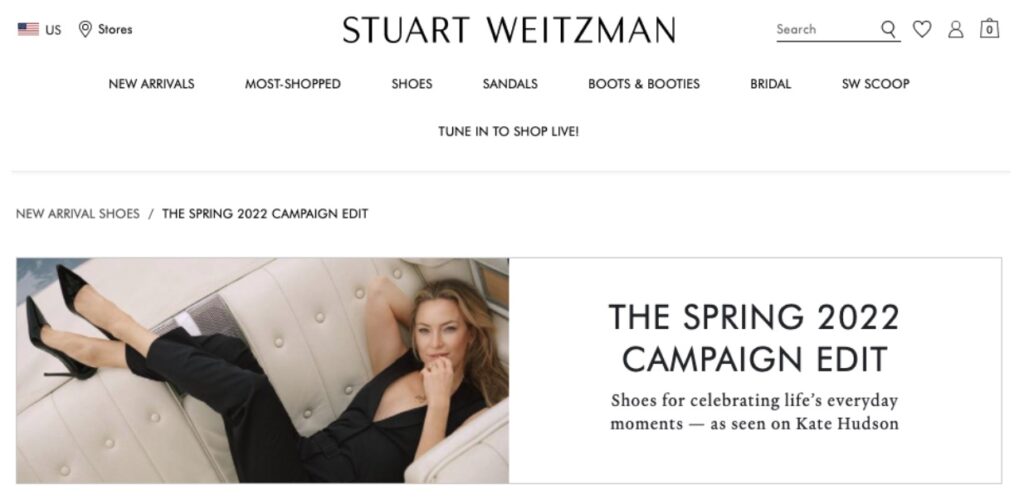
Social proof is a term that has been in existence since 1984. It was coined by the author Robert Cialdini in his book with the name ‘Influence’. Social Proof is widely used in digital marketing to influence decisions of customers and is practised by all major brands What is Social Proof? Social proof refers to a psychological and social phenomenon in which individuals copy the actions of others to emulate their behavior in specific situations. In essence, social proofing is an attempt to keep up with the Joneses. This type of behavior is driven by an assumption that the people around the individual know more about the prevalent situation. It is also frequently referred to as herd mentality. The social proof phenomenon is in action when decision making is validated through others’ behaviors. This psychological phenomenon happens when a person is unsure of how to behave in a specific situation. Such individuals look to others for clues and end up emulating the others’ behaviors. Social proof thus affects our preferences and choices to a certain extent. Social proof may be the reason why some movies and songs become hits, and why some products outsell others. Why is social Proof Used? Social proof is widely used in recent times to build credibility and trust and lowering barriers so that people make online purchases. As an example, a potential buyer may chance to see a review from an industry expert on a specific landing page he/she is browsing and this is social proof. Otherwise, you may sign up for a demo because the product solved the exact problem another company was facing. Both of these are typical examples. These help to tap into the basic human instincts and sway potential customers’ behavior by borrowing or using third-party influence. A social proof that an individual uses instigates different emotional triggers which influence a customer’s feelings towards the purchase being made as well as the brand. Therefore, this has become an important part of executing it on website and landing pages that an online business is using. What are different types of Social Proofs? There are different types of social proof that we commonly encounter everywhere. Social proof can be generalized into 6 different types. Let us examine these with some examples. 1) Expert social proof Expert social proof helps when someone is trying to decide on buying an unfamiliar product or service. Chances are that the opinion of an expert will be trusted by the buyer more than anyone else. The buyer thinks: they are the experts; they know better than me. In this ad for an ecommerce brand selling children’s multivitamins, the proof of the pudding comes from Kelly LeVeque who is a nutrition expert as well as an influencer. The picture cannot get any better as it features Kelly’s son and she recommends and uses the brand for her child. 2) Celebrity Social Proof The credibility of such a picture is incredibly high where Kate Hudson is seen endorsing your brand of shoes or conceding for a photograph while using your product or service. A social media post like this one would drive more customers than other advertisements for the brand would. This is the power of celebrity endorsement and ample celebrity social proof. 3) User Social Proof User testimonials, commonly know as customer testimonials are seen to work well for overly industrial or technical products or services. So do reviews which are the more objective versions of testimonials. Highly competitive sectors are seen to use user social proof extensively. 4) The Wisdom of the Crowd This type of social proof works when your prospective client sees a large group of people endorsing your brand. Their comfort level increases and they are likely to subscribe to the product or service. A product having millions of followers and many customers on the brand’s social media handles is a typical example of ‘wisdom of the crowd’ social proof. However, the brand has to strive on an everyday basis to maintain these numbers and make this social proof work. Below is an example by Optimizely 5) The Wisdom of your Friends This type of social proof is a typical example of keeping up with the Joneses. An individual searching for a product that they are not sure about buying would surely be more comfortable when he/she sees their friends approving the product on social media. Others purchase the product for the fear of missing out (FOMO). 6) The Wisdom of your Friends When a product or a service is given a stamp of approval by an authoritative agency in the industry, the credibility of the product/service can snowball. Small certification badges placed on a website do this job. Trusted seals are placed on the checkout pages significantly improve conversion rates. What are different Tools Used to Provide Social Proof? Companies that want to use social proof to boost sales and drive customer engagement use tools for the purpose. These tools work on the FOMO psychology of the website visitors by getting them to see what others are doing on their website. Social proof is considered a powerful tool as it is all about telling customers what others like them preferred to do. Some of the best social proof software tools are TrustPulse, OptinMonster, WPForms, Smash Balloon, SocialProve, Thrive Ovation, etc., among others. Social proof tools work to help website visitors to convert by showing the total number of people who have recently taken action on the website, displaying a live visitor count, etc. Which Social Proof Should You Choose? This question does not have an easy answer. Industry experts, however, opine that you can test the different types of social proof to find out which works best for you on your landing page. This depends on your audience and your business goal. Few aspects you can consider while deciding on social proof People remember photos to numbers Testimonials with photos worked better than the ones without There was no significant difference in how
क्रिप्टोकरन्सी म्हणजे काय (Cryptocurrency in Marathi)

आजच्या जगात क्रिप्टोकरन्सी हा नवा गुंजत असलेला शब्द आहे आणि लाखो गुंतवणूकदार क्रिप्टोकरन्सीकडे त्यांची पुढील गुंतवणूक संधी म्हणून पाहत आहेत. खाली क्रिप्टोकरन्सी या शब्दाचा गेल्या 5 वर्षांचा शोध ट्रेंड आहे आणि 2020 च्या अखेरीस हा ट्रेंड कसा सुधारला आहे आणि तो वर्षानुवर्षे वाढत आहे हे आपण खालील आलेखावरून पाहू शकतो. माझ्या अनेक विद्यार्थ्यांनी मला क्रिप्टोकरन्सीबद्दल विचारले म्हणून मी हा ब्लॉग लिहित आहे, म्हणून येथे एक मार्गदर्शक आहे जो तुम्हाला क्रिप्टोकरन्सीबद्दल सखोल दृष्टीकोन मिळविण्यात मदत करेल. क्रिप्टोकरन्सी म्हणजे काय? (Cryptocurrency in Marathi) क्रिप्टोकरन्सी हे विकेंद्रित डिजिटल चलन आहे जे ब्लॉकचेन तंत्रज्ञानावर आधारित आहे. व्यवहारांची पडताळणी करण्यासाठी क्रिप्टोकरन्सी बँकांवर अवलंबून नसतात, ही एक पीअर टू पीअर सिस्टम आहे जी कोणालाही डिजिटल वॉलेटद्वारे पेमेंट पाठवू आणि प्राप्त करू देते. 2021 पर्यंत, सुमारे 106 दशलक्ष गुंतवणूकदार आहेत जे क्रिप्टोकरन्सी वापरत आहेत. तसेच, असा अंदाज आहे की 2025 पर्यंत, ब्लॉकचेन बाजार $39.17 अब्जने वाढेल क्रिप्टोकरन्सी कशी कार्य करते? How does Cryptocurrency work in Marathi? क्रिप्टोकरन्सी या मायनिंग नावाच्या प्रक्रियेद्वारे तयार केल्या जातात ज्यामध्ये गणितीय कोडे सोडवण्यासाठी विशेष संगणक प्रोसेसरचा वापर समाविष्ट असतो. क्रिप्टोकरन्सी ब्लॉकचेन तंत्रज्ञानावर बनवल्या जातात, जे क्रिप्टो एका वॉलेटमधून दुसऱ्या वॉलेटमध्ये हलवल्यावर तुम्हाला खातेवही ठेवण्याची परवानगी देते. ब्लॉकचेन म्हणजे काय? What is Blockchain in Marathi? ब्लॉकचेन हे वितरित खातेवही आहे जे क्रिप्टो स्पेसमध्ये होणार्या प्रत्येक व्यवहाराची नोंद करते. क्रिप्टो स्पेसमधील प्रत्येक व्यवहार खालीलपैकी एक प्रमाणीकरण तंत्र वापरून तपासला जातो: प्रूफ ऑफ वर्क प्रूफ ऑफ वर्क ही ब्लॉकचेनवरील व्यवहारांची पडताळणी करण्याची प्रक्रिया आहे ज्यामध्ये अल्गोरिदम एक गणितीय समस्या प्रदान करते जी संगणक सोडवण्याचा प्रयत्न करतात. प्रूफ ऑफ स्टेक प्रूफ ऑफ स्टेक ही एक प्रक्रिया आहे ज्यामध्ये प्रत्येक वापरकर्ता क्रिप्टोकरन्सी स्टेक करण्यास इच्छुक असलेल्या रकमेद्वारे व्यवहार सत्यापित करण्यासाठी मर्यादित असतो. प्रूफ ऑफ स्टेक गणितातील समस्या सोडवण्याच्या प्रक्रियेला वगळतो, त्यामुळे कामाचा पुरावा अधिक कार्यक्षम आहे, ज्यामुळे व्यवहारांसाठी वेगवान आणि सुलभ पडताळणी आणि पुष्टीकरण वेळा मिळतात. क्रिप्टोकरन्सी स्पेसमध्ये कोणत्या महत्त्वाच्या टर्म्स वापरल्या जातात? डीसेण्ट्रिज्ड: डीसेण्ट्रिज्ड म्हणजे चलनाला कोणत्याही वित्तीय संस्थेच्या मध्यवर्ती बँकेचा पाठिंबा नाही वॉल्लेट: ही अशी जागा आहे जिथे तुम्ही तुमची क्रिप्टोकरन्सी स्टोर करतात एक्सचेंज: एक्सचेंज हे एक ठिकाण आहे जिथे तुम्ही कोणतीही क्रिप्टोकरन्सी खरेदी आणि विक्री करू शकता

